Your Cart is Empty


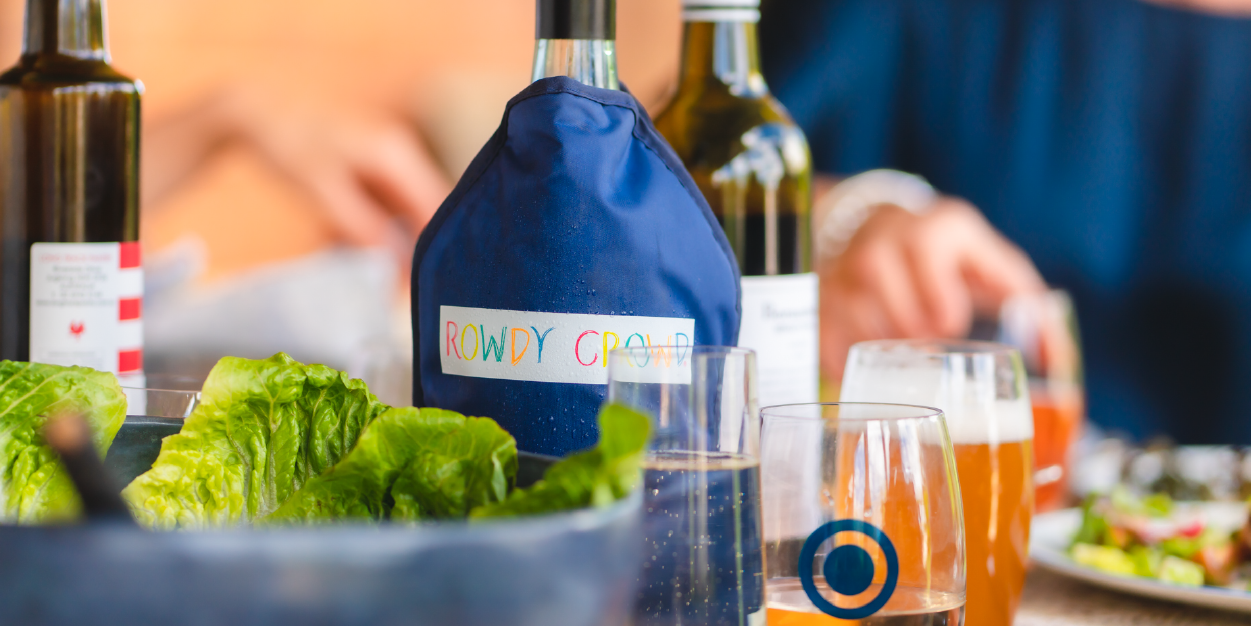


When it comes to the joy of sipping a beverage outdoors or in public spaces there is no denying that re-useable plastic is the answer. Glassware is simply not practical or safe and if the “war-on-waste” is front of mind, as it should be, neither are single use cups.
Yes, plastic drinkware addresses the need for convenience and safety but there is more to consider in this equation and not all plastics are created equally. Informed consumers, event organisers and governing bodies who understand the differences can save significantly on impacts to the environment, human health, product longevity and end-of-life for the products they choose.
The choice is large and confusing with products made from PP, PC, PET, HDPE, SAN, acrylics and more recently, Tritan™.
Tritan is still reasonably new within consumer drinkware products and if you have been to an event or venue which has served your beverage in an impressive glass-like, unbreakable cup that you or they can then safely put repeatedly through the dishwasher, then it is highly likely to have been made from Tritan.
So how do you make an informed buying decision with so much choice. Our materials comparison chart below illustrates the differences between the best four drinkware plastics following research and 10 years of drinkware industry knowledge conducted by Rowdy Crowd Drinkware.
Firstly, it is recommended that consideration be given to these six points when weighing up drinkware costs and product benefits:
Don’t be lazy and just choose the convenience of the cheapest path. Over the past decade individuals and organisations have clearly demonstrated that convenience at the cost of the planet is not actually what people want – they want better choices and better long-term outcomes.
Choose a product with the greatest environmental benefits. Avoid all single-use and limited use products (lasting ten or less uses). These will generally be inferior looking and hold less value to users who will ultimately toss them in the bin as general waste. End game, undesirable landfill.
Make sure your drinkware is BPA free (sometimes also referred to as EA free) to avoid any human health implications. Many plastics, such as polycarbonates, leach small levels of hormones mimicking oestrogen and testosterone which can interfere with fertility, growth and general wellbeing.
A truly durable product will make it safe for use in any environment as it will not crack, break or shatter, become dangerous to the public or create sharp ground mess in a home or public space.
Pick a product that will last.Make sure it can be used dozens and dozens of times and still look and feel great. This is particularly important both environmentally as the refill, reuse, repeat, recycle keeps waste from landfill for much longer plus there are marketing and brand benefits, especially when custom printed. Not many things are built to last these days so whenever possible, delight consumers with something that does!
Today is about creating circular systems. Tritan material is recognised as a PP7 recyclable material by waste sorting centres. It can go back into renewed and recycled plastic products to keep these materials in play for as long as possible.
Here is our quick plastic materials reference and comparison chart.

Plastic has been used in the food and beverage industry since the late 1950’s when significant developments in manufacturing processes decreased costs and increased mass production. This was a boon for polycarbonate and PET plastics which then became a staple in single-use packaging and in the last 20 years, water bottles. It is only more recently that questions have been asked about the materials and compounds used in these plastics. The findings; that many contain Bisphenol A (BPA) which mimics oestrogenic activity and others associated with reproduction, growth, energy and hormonal body balance issues.
In 2007 Eastman Chemical Company in the US developed a copolymer called Tritan to address health concerns around polycarbonate plastic containing BPA.
Tritan is like no other plastic material. It is BPA and hormone activity free and is resistant to taste, odour and staining no matter the beverages it contains. It is able to withstand significant impact, huge temperature variations from freezer to boiling water, dishwashing detergents and still have the unwavering ability to look like glass. There is also no other plastic that can offer the consistent clarity, durability and safety of Tritan. Plus, it can be 100% recycled!
Its durability and re-useability is beginning to significantly help keep millions of tonnes of single use plastics out of landfill world-wide.
Buying and promoting the use of refillable tumblers for an event means organisers only need a few more cups than the expected number of guests. So unlike traditional single use, disposable cups where you may order 1000 pieces for 200 guests, with Tritan Rowdy Crowd tumblers you will only need around 250 pieces. There is no need for 3-4 or up to 6x the number of cups to people and the inevitable mountain of rubbish created once they are used.
The purchase of a refillable and reuseable cup for a gathering or event means you will save money buying fewer cups, avoid landfill waste, save time cleaning up after the event and keep everyone safe by avoiding broken glass.

In 2014, Rowdy Crowd introduced Tritan material drinkware to the Australian market. It has been encouraging consumers to make better product decisions when it comes to how they serve chilled beverages in outdoor situations. The practicality and positive impact of Tritan products is being enjoyed during backyard barbeques and pool parties, at festivals and community events or by families when camping or spending a day at the beach.
Rowdy Crowd challenges you to become a “re-use influencer” among friends and your local community. In 2007 the invention and introduction of the KeepCup by Melbourne café owners concerned about the amount of waste they were generating with disposable coffee cups each week, saw a significant behavioural change within the café culture of Melbourne and now their KeepCup concept has been accepted on a global scale.
As consumers, be you buying for a family, a business or community, the choice is all yours. What to use and what to avoid. You can become a changemaker, an influencer by your actions and choices.
Make your next choice a good one when it comes to serving beverages to a rowdy crowd, be it many or just a few, go with a genuine Tritan material product. Beware of false claims by some sellers saying a product is Tritan but must be handwashed – these products are not Tritan and should be avoided.
Be that person amongst your peers to toss the first pebble in the pond then enjoy watching the ripples as they spread across the planet.