Your Cart is Empty



From the very beginning, Rowdy Crowd has focused on a single vision.
As Rowdy Crowd continues to grow across Australia and internationally, our commitment remains unchanged. We continue to seek ways to reduce waste, encourage reuse and create products that help people celebrate life’s moments without compromising on quality, sustainability, safety or style.
When you purchase Rowdy Crowd, you are not just getting the best quality drinkware for the best unit price, your purchase is also reducing single-use waste and its impact on the environment AND is literally helping to regenerate the environment.


Rowdy Crowd has committed to purchase and plant 1 tree or shrub for every 500 cups we sell.
TOTAL Trees I Shrubs: 2630
as at 1 July 2026


It’s a small action that contributes to a bigger goal – continuing our family’s 6 generations of care for the land we farm, the food and fibre we grow and leaving a positive legacy for future generations.
The Rowdy Crowd regeneration project so far includes a total of 20.45 hectares (50.5 acres) fenced off to exclude livestock and farming practices on the farm. These areas are being prepared and regenerated to reinstate the original Open Woodland environment through the planting of native trees, shrubs and endemic flora species. The thousands of trees we have, and plan, to plant will be actively pulling carbon from the atmosphere to store in the soil over the next 30–50 years.
Importantly, we are also creating a wildlife corridor stretching more than five kilometres which provides habitat and shelter for all manner of native birds, mammals and reptiles as they make their way to a natural creek system from one end to the other of our farm. This extended corridor eventually feeds them toward the Murrumbidgee River or large areas of National Park in the hills to our east.
2020
The plan began in early 2020 with the fencing off 12 hectares (29.6 acres) of land around a large farm dam and wetland area. This is where we planted 700 trees in May 2020.
2021–22
We fenced off a further 8.2 hectares (20.2 acres) up the same watercourse and began planting out 1,000 trees and shrubs in 2022.
2023–24
A couple of dry years prevented suitable planting conditions.
2025
We began a new project area with over 680 trees and shrubs in a fenced area. 0.25 hectares (0.6 acres)
2026 – Hilltop being prepared
We did some work to redirect water flows in our first dam project which allowed for further plantings to be added to this area. We have just finished planting a further 250 trees and shrubs there. 0.5 hectares (1.2 acres)
Before planting, the sites are planned and fenced. Then deep rip lines are created using a tractor and ripper to break up compacted soil and allow moisture to penetrate deep underground. This allows young roots to grow deeper and access stored moisture below the surface. Ripping improves water infiltration from rainfall, encourages stronger root development and significantly increases the survival rate of seedlings in Australia’s challenging climate. We also love the randomness of nature and never plant in straight organised lines. Instead, “Project Regeneration” rips in crazy sweeping curves and tight squiggles so trees will look like they have popped up naturally rather than being placed in organised rows. Clumps of same species shrubs are grouped together to also provide bird and insect habitats and plentiful, healthy food sources.

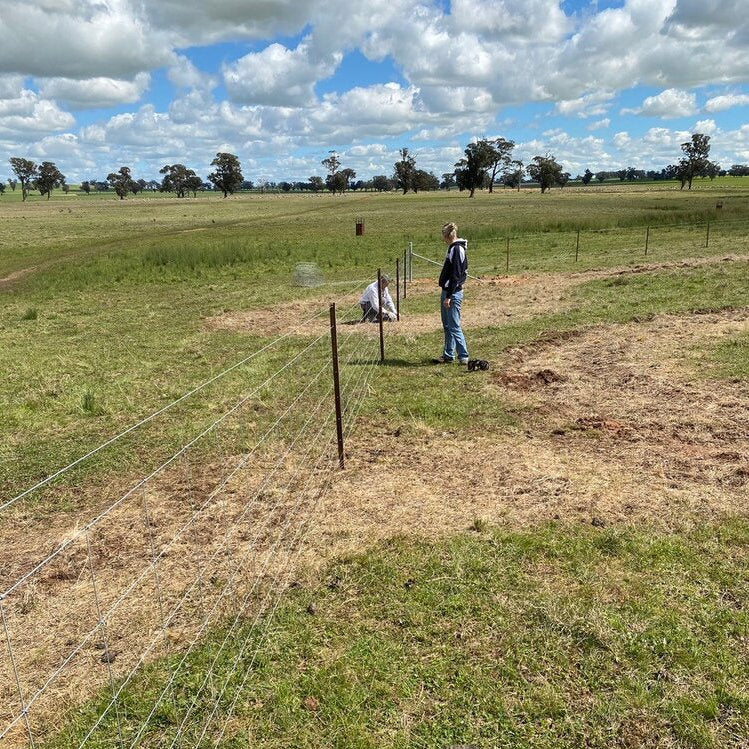
The family busy fencing the new Western side wetland and woodland area – September 2021
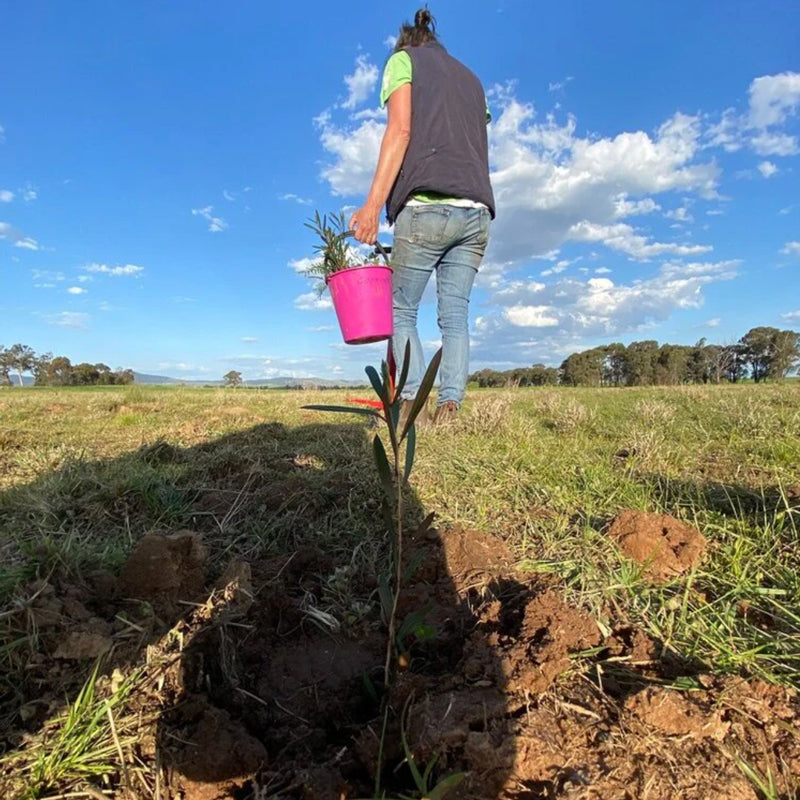
The process of planting each individual tree and shrub – 2021
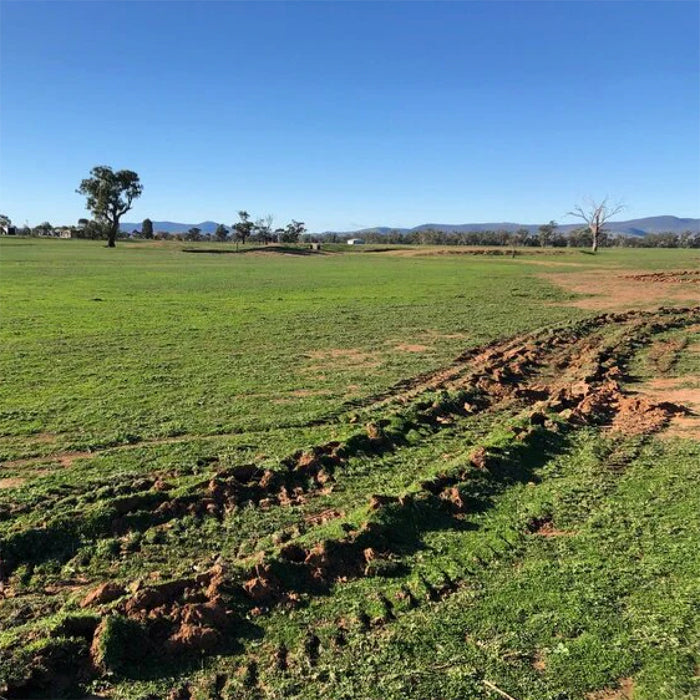
Dam area rip lines created in the land ready for native trees and shrubs – 2021
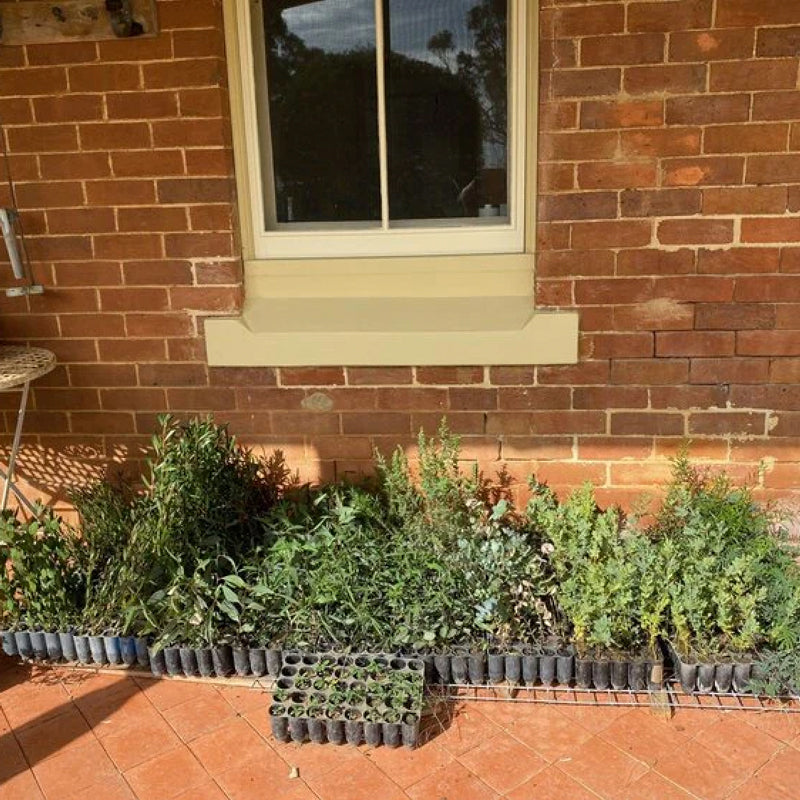
Eucalyptus, melaleucas, callistemons & acacias. Waiting for rainfall and optimum planting conditions
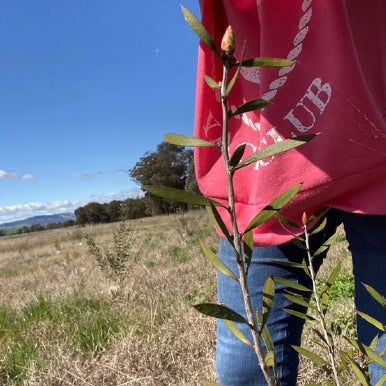
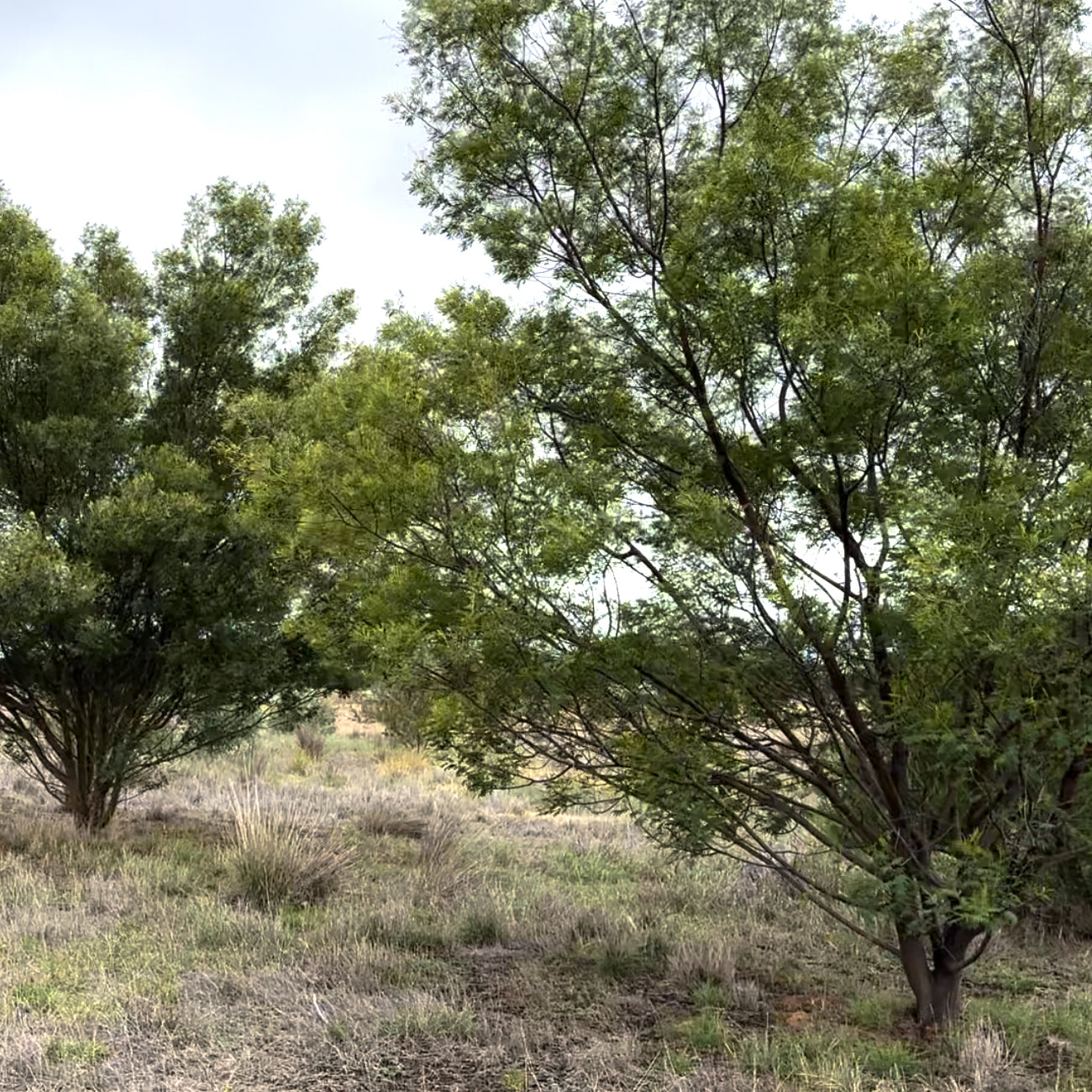
The trees and shrubs have seen significant growth over the years
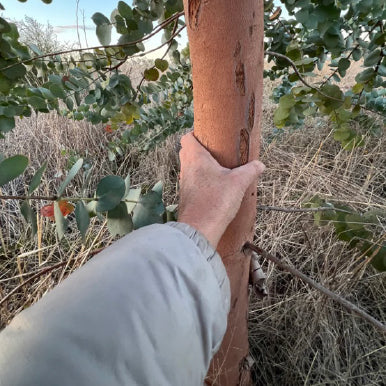
This Argyle Apple Gum planted in May 2022 now stands over 5m high
The trees planted in 2021 and 2022 saw significant growth thanks to some good rain. Between 2023 and 2025 a prolonged dry spell impacted large parts of NSW, Australia, including the Riverina region, driving up evaporation rates and affecting agricultural sectors. To allow every native tree and shrub the greatest chance of survival, planting is only conducted during autumn and sometimes spring when rain arrives and sub-soil moisture is replenished and adequate.
The Australian National University have conducted studies of these revegetation areas on the return of the frog and reptile populations as well as the return of bird species. The results have been extremely positive over the past 5 years with rare frogs returning to the excluded dam area and a noticeable growth in the variety and number of bird species also using the site.
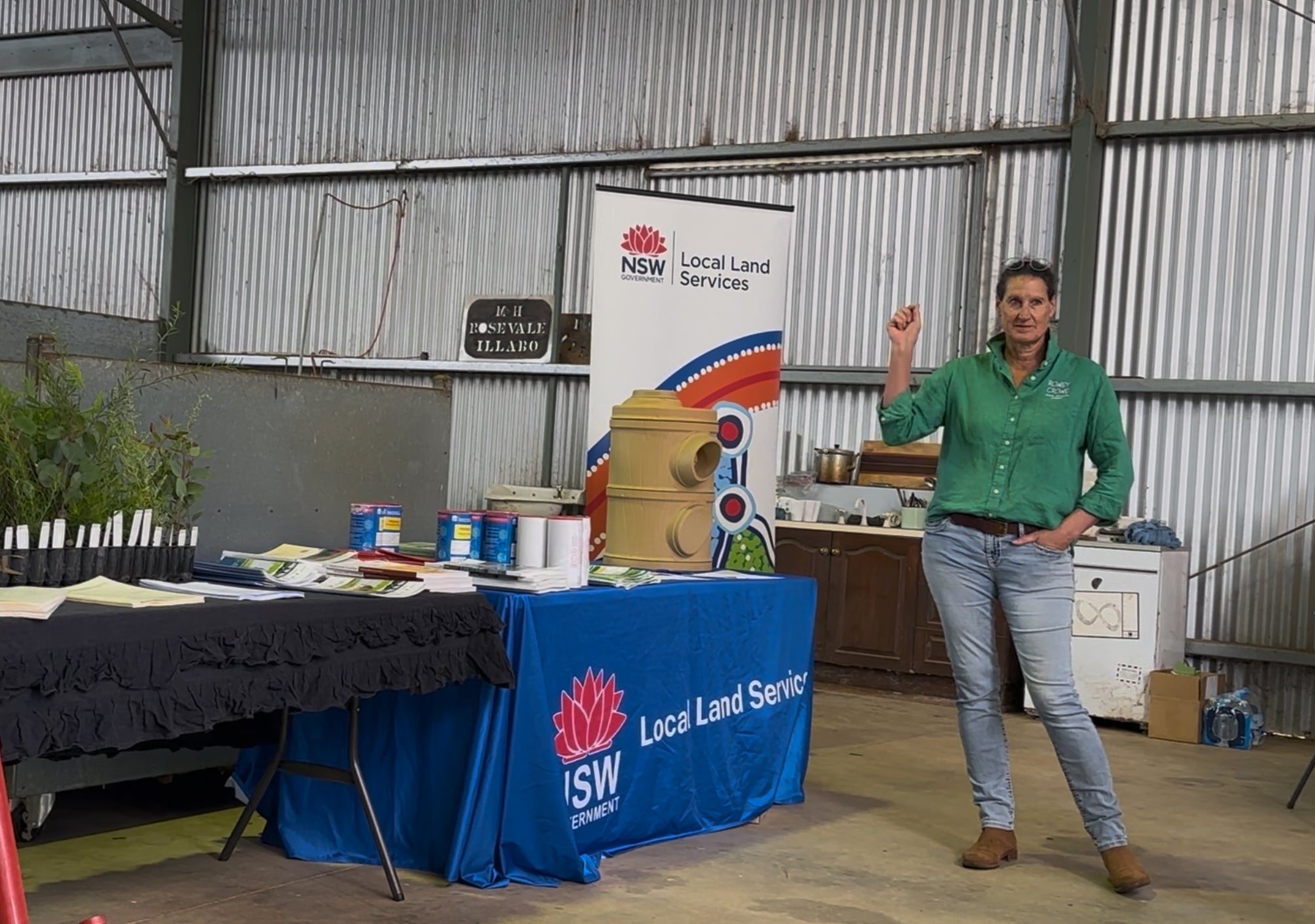
NSW Government LandCare and ANU seminar – May 2026
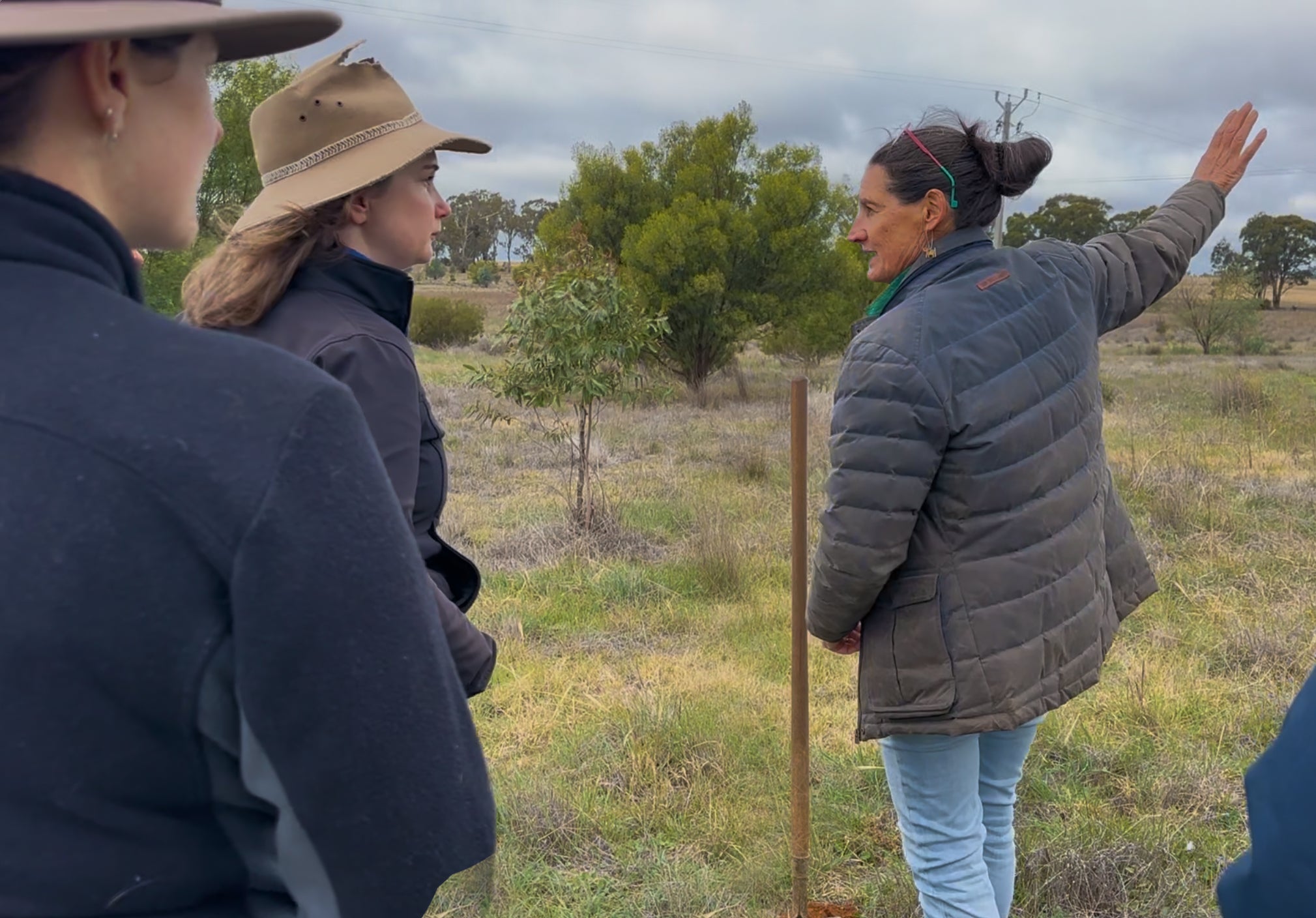
NSW Government LandCare and ANU seminar – May 2026
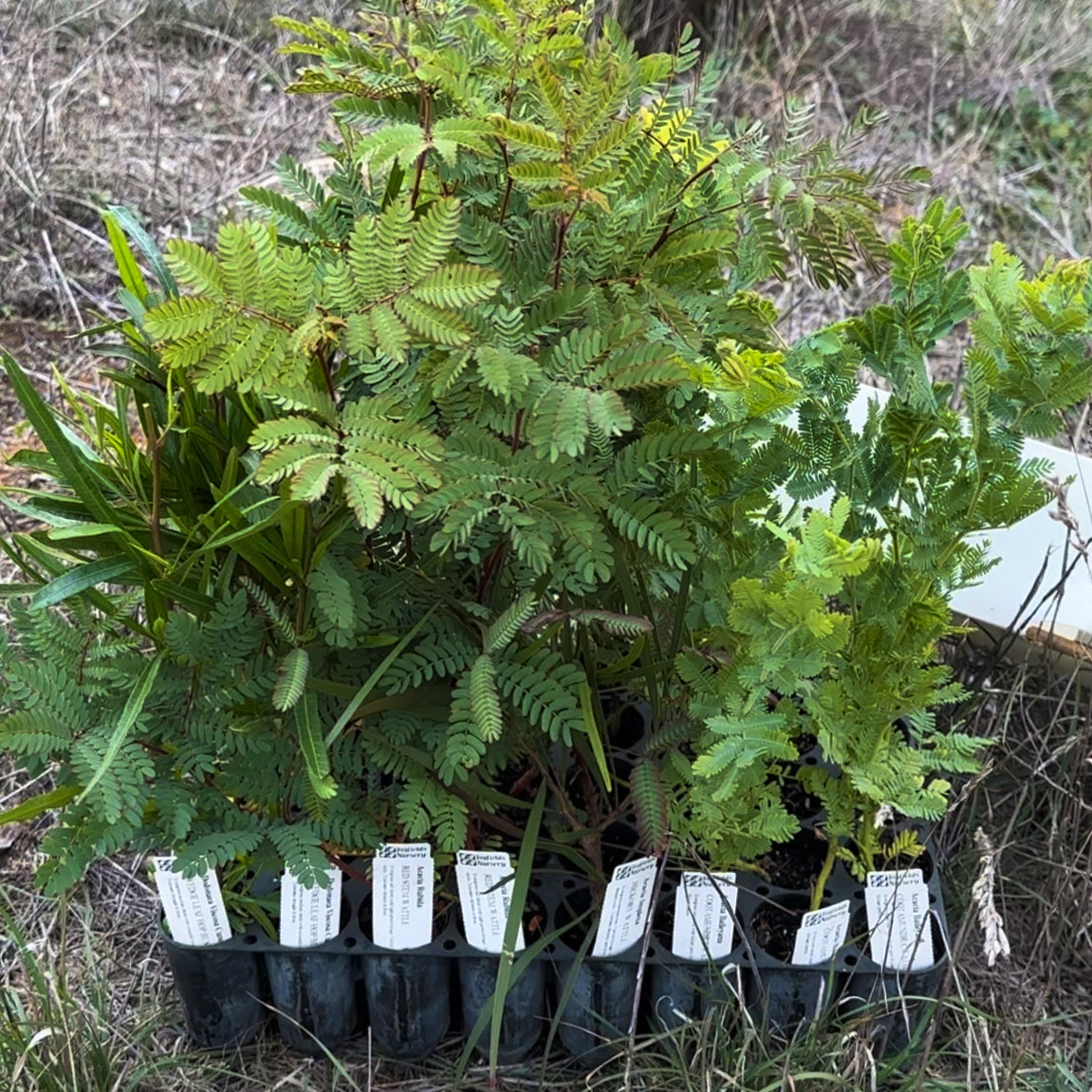
Eucalyptus, melaleucas, callistemons & acacias. Waiting for rainfall or optimum planting conditions. Dry conditions can mean looking after seedings for months before planting
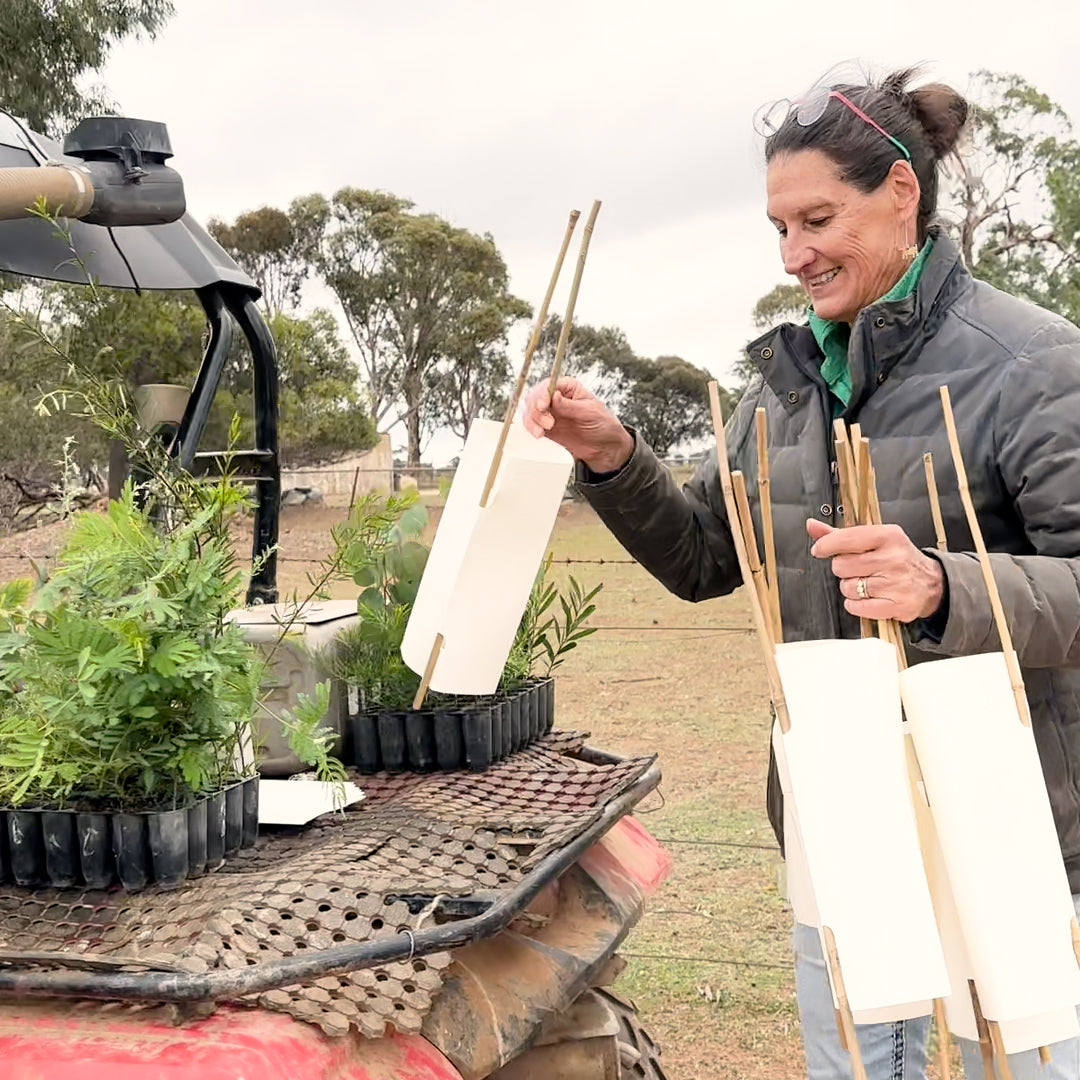
Compostable tree guards protect young plants from rabbits and some heat for the first 1–2 years
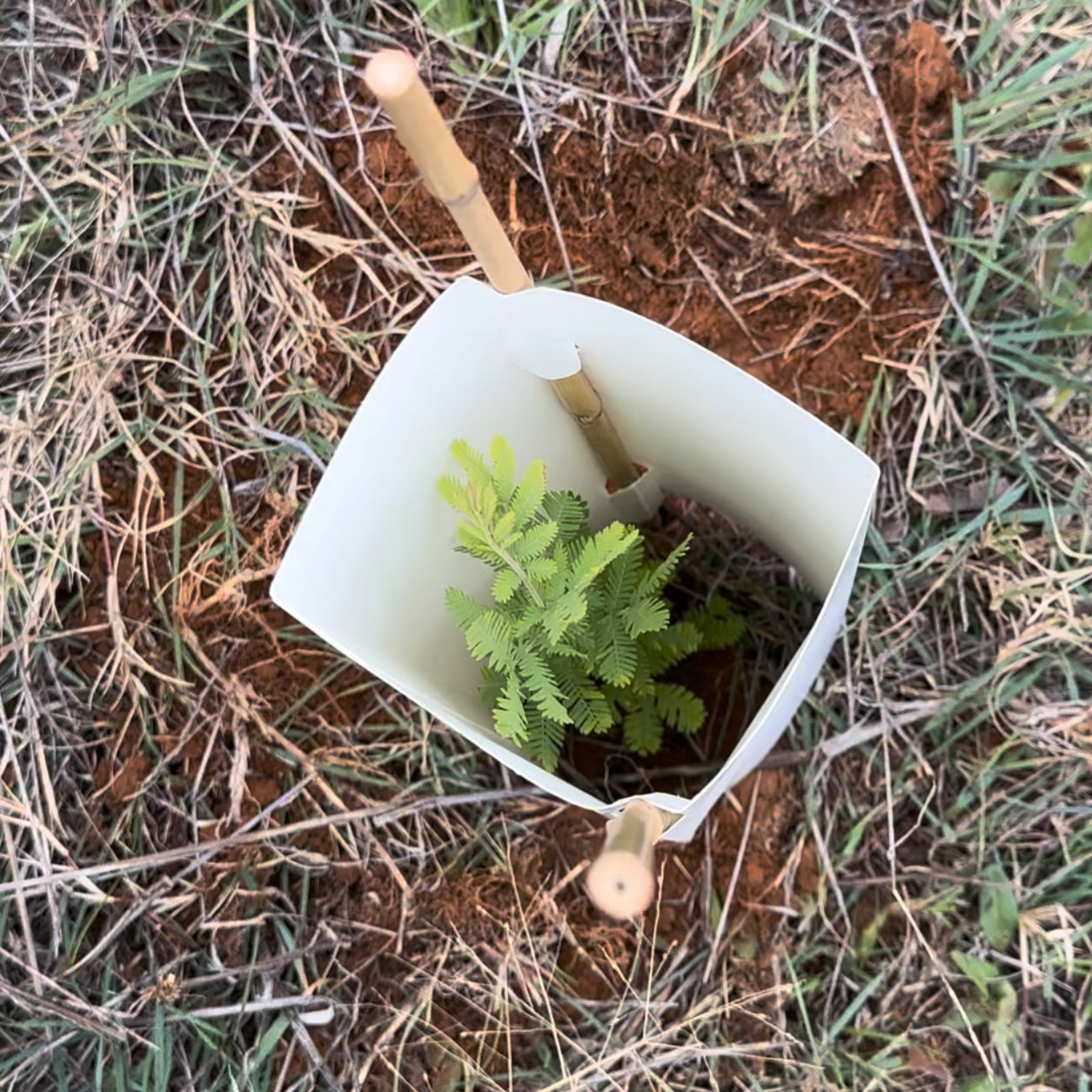
Cootamundra Wattle – acacia Baileyana – is endemic to this area but becoming less prolific naturally
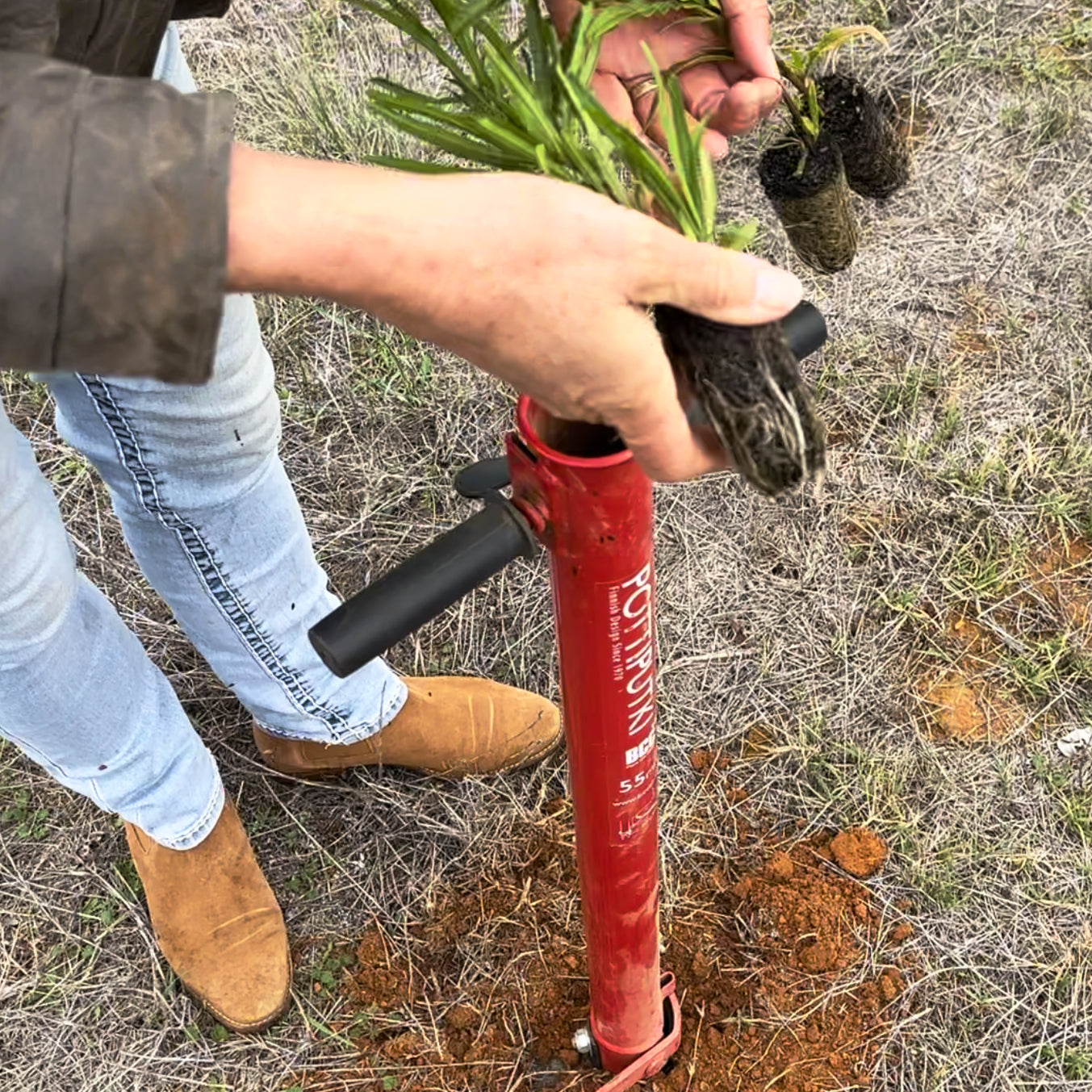
A potapuki planter opens the ground for the tube stock to be dropped into place
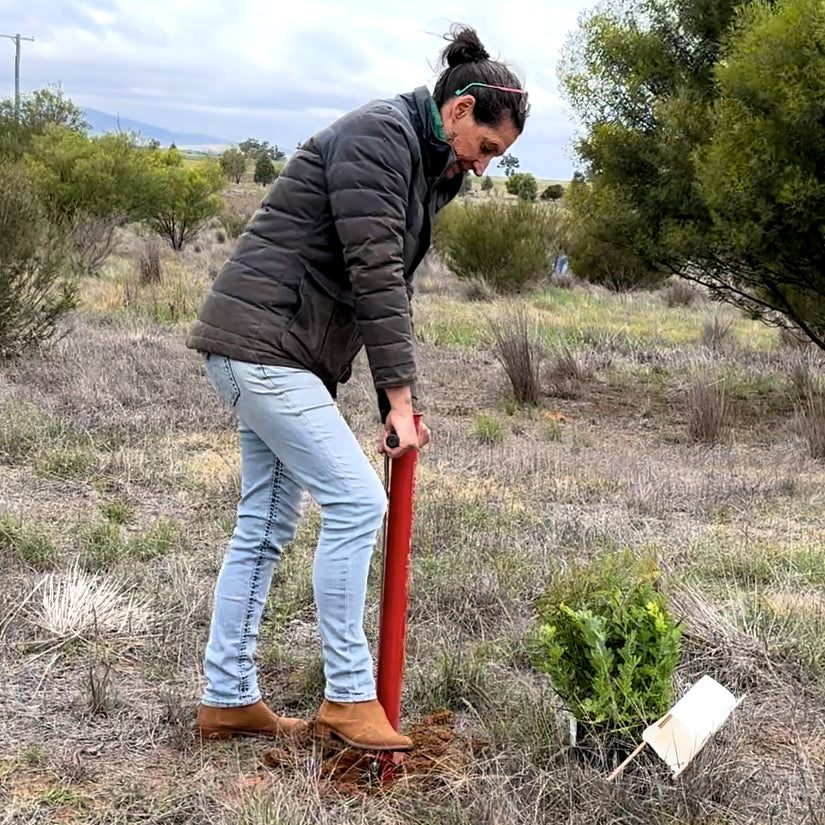
Rip lines and this tool definitely save backbreaking work with a shovel
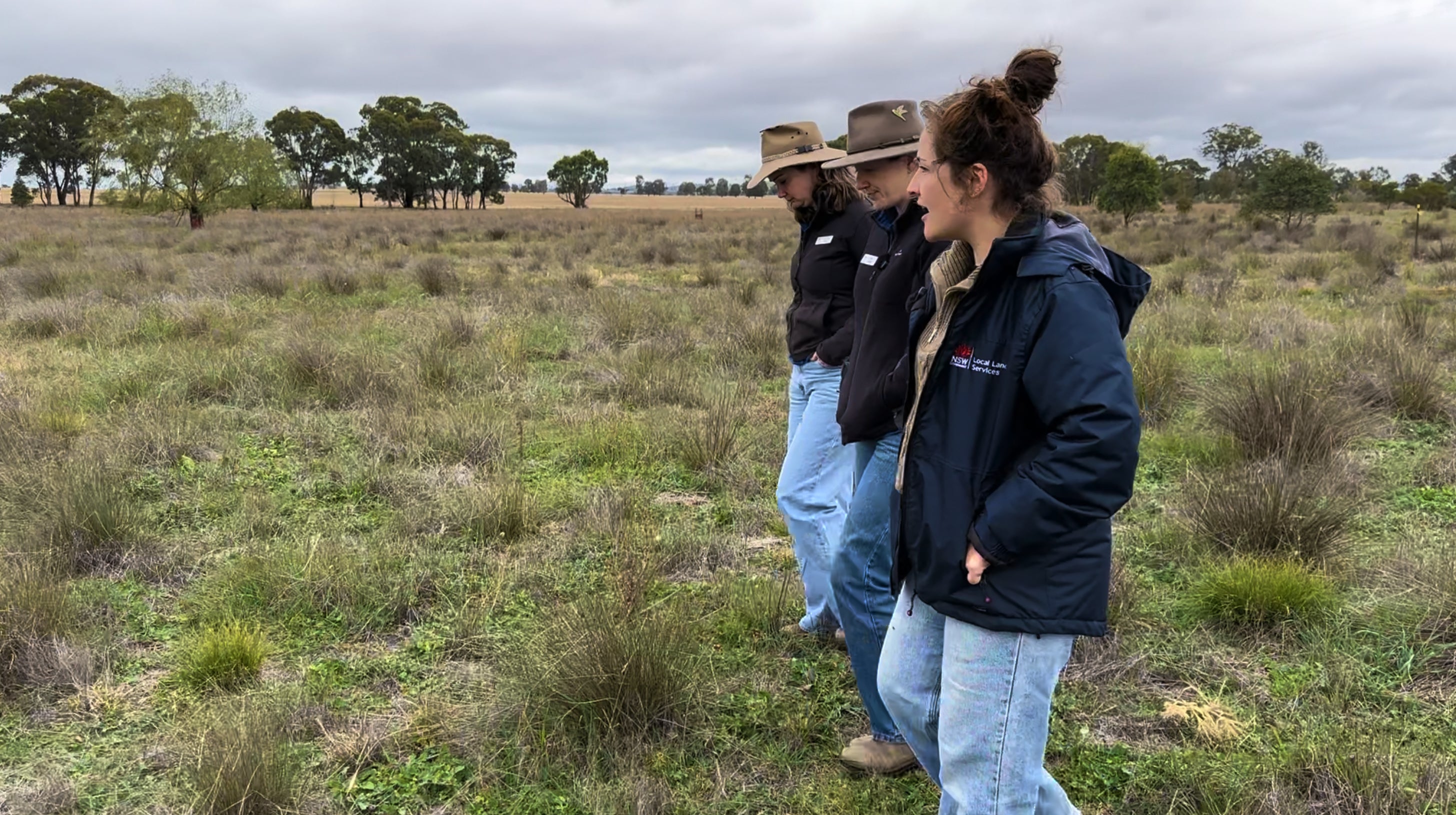
Within 2-3 years of fencing off regenerative areas, the native grasses abound and take over any initial weeds
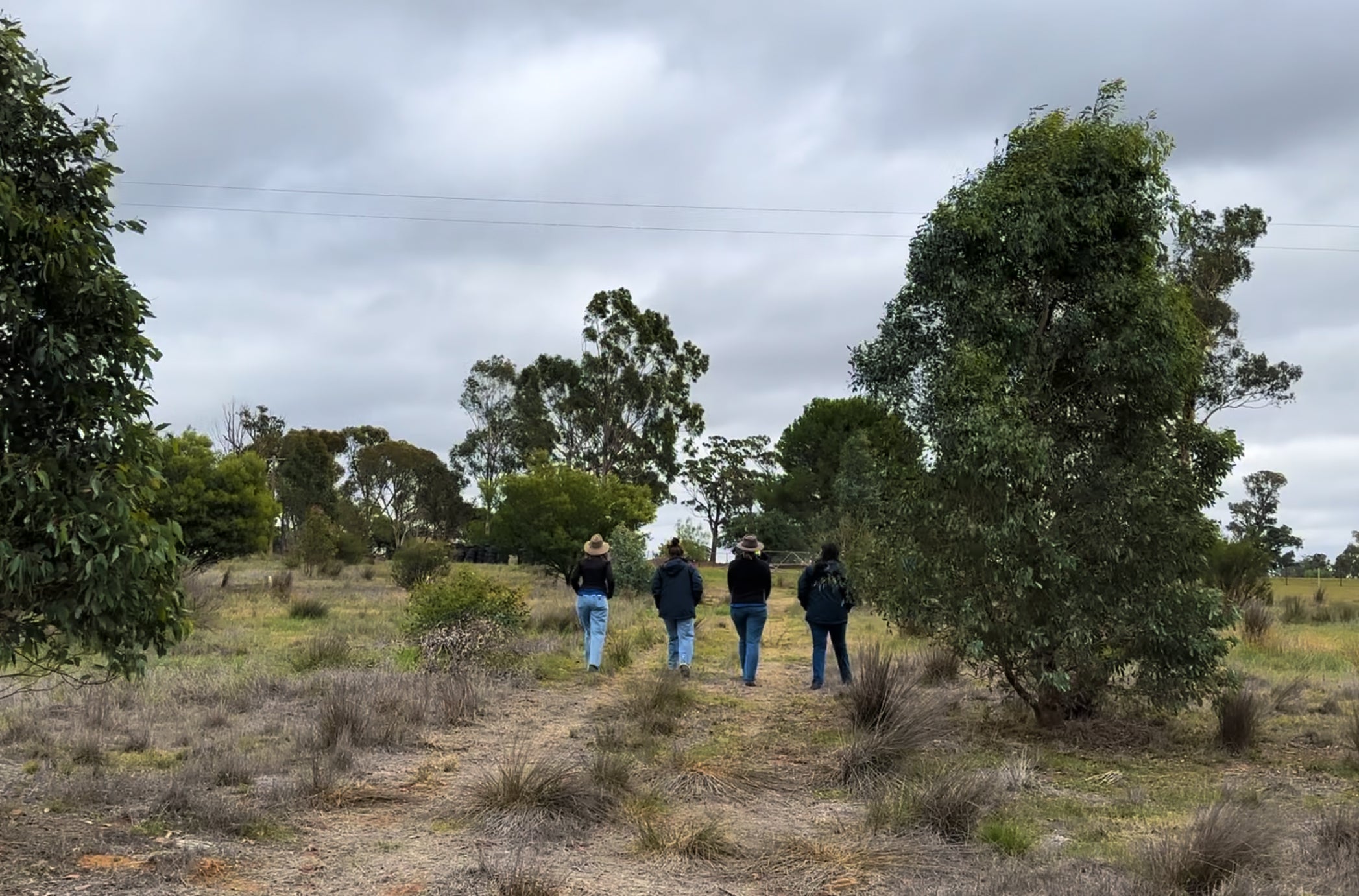
A truly satisfying and joyful moment to walk through our newly regenerating Open Woodlands and listen to nature taking over
The Rowdy Crowd “Project Regeneration” will continue to grow – with more areas, more trees, more shrubs and an ever-growing positive impact. Every purchase of Rowdy Crowd drinkware contributes to this future-proofing project and giving back to the land we cherish.


Sustainability is built into every part of Rowdy Crowd. From designing durable, reusable drinkware and minimising packaging waste to operating our off-grid headquarters and planting native trees. We’re committed to continuing our family’s 6 generations of care for the land we farm, the food and fibre we grow and leaving a positive legacy for future generations.
The most sustainable cup isn't always the one that can be recycled – it’s the one that gets reused hundreds of times. Durable reusable drinkware helps reduce landfill waste, conserves resources and replaces fragile glassware and single-use cups over its lifetime.
Yes! Through the Rowdy Crowd “Project Regeneration”, we purchase and plant native trees and shrubs to help restore our natural open woodland habitat, improve biodiversity and contribute to a healthier environment. Every purchase helps the project continue to grow.
The Riverina region experienced prolonged drought and extreme heat, so planting was temporarily paused until winter rainfall returned. Waiting for better conditions gives every seedling the greatest chance of long-term survival. Because sometimes the best thing you can do for a tree is wait for the right moment to plant it.
Before planting, deep rip lines are created to break up compacted soil, allowing roots to grow deeper and access stored moisture below the surface. This improves water infiltration, strengthens root systems and greatly increases tube stock survival.
Yes! Rowdy Crowd drinkware is made from Eastman Tritan™ copolyester, a symbol #7 recyclable material. Check with your local recycling facility for guidance on recycling Tritan products in your area.
Tritan™ combines crystal-clear elegance with exceptional durability. It’s 100% BPA-free, dishwasher safe, reusable, recyclable and designed to resist cracking, crazing and clouding for years of everyday use. That's a lot of life from one cup!
We keep packaging minimal, simple and practical. Cups are wrapped in recyclable tissue paper and supplied in recyclable cardboard cartons or long-term reusable dust-proof storage bags, reducing unnecessary waste without compromising protection.
Yes! Our headquarters operates completely off-grid using solar power and harvested rainwater, while our focus on reusable products, recyclable materials and native tree planting helps reduce our environmental footprint.
Every Rowdy Crowd purchase supports a more sustainable future through durable reusable drinkware, reduced packaging waste, recyclable materials and our ongoing Regeneration Project. Because every refill is one less disposable cup heading to landfill.